
How to Fix Liquid Detection in Lightning Connector False Alarm on iPhone 11: Complete Diagnostic Manual

⚡ Quick 60-Second Verdict: What This Warning Means
Your iPhone 11’s Lightning port (not USB-C) uses tiny impedance pins to detect conductive liquid; a false alarm is almost always caused by pocket lint, humidity residue, or microscopic corrosion bridging Pin 4 (Power) and Pin 5 (Ground). The fix is 90% mechanical cleaning with 99.9% isopropyl alcohol and 10% software reset—never heat, rice, or metal tools.
- DO NOT insert cotton swabs, paper towels, metal pins, SIM eject tools, or toothpicks into the port—you will bend the 0.1 mm contact fingers.
- DO NOT use compressed air cans upside-down (liquid propellant freezes pins) or heat guns/hair dryers (melts flex cable adhesive).
- DO NOT place the phone in uncooked rice—starch dust creates conductive bridges worse than the original moisture.
- DO NOT repeatedly force “Emergency Override” in software while debris remains; each override pushes charging current through a potential short, risking U2300/Tristar IC failure.
- DO use only 99.9% IPA, a soft anti-static brush, and gravity. If corrosion is visible under magnification, stop and seek microsoldering repair.
1. Immediate Safe Actions (No Tools Required)
Friendly, actionable guidance for regular iPhone owners:
Gravity & Gentle Palm Tap
Power off the iPhone 11 (Settings → General → Shut Down). Hold the device with the Lightning port facing straight down. Firmly tap the back glass against your open palm 5–10 times. This dislodges loose lint and droplets without stressing the internal flex ribbon. Do not shake violently—momentum can slam the Taptic Engine against the logic board.
Safe Ambient Evaporation
Leave the powered-off iPhone 11 on a clean, lint-free cloth in a well-ventilated room (20–25 °C / 68–77 °F, 30–50 % RH) for minimum 30 minutes, ideally 2 hours. Position the port facing slightly downward so gravity assists evaporation. A small desk fan 30 cm away on low speed accelerates drying without static risk. Do not place near radiators, sunlight, or silica gel packs—rapid thermal cycling cracks solder balls under the PMIC.
Safe Wireless Charging Bypass
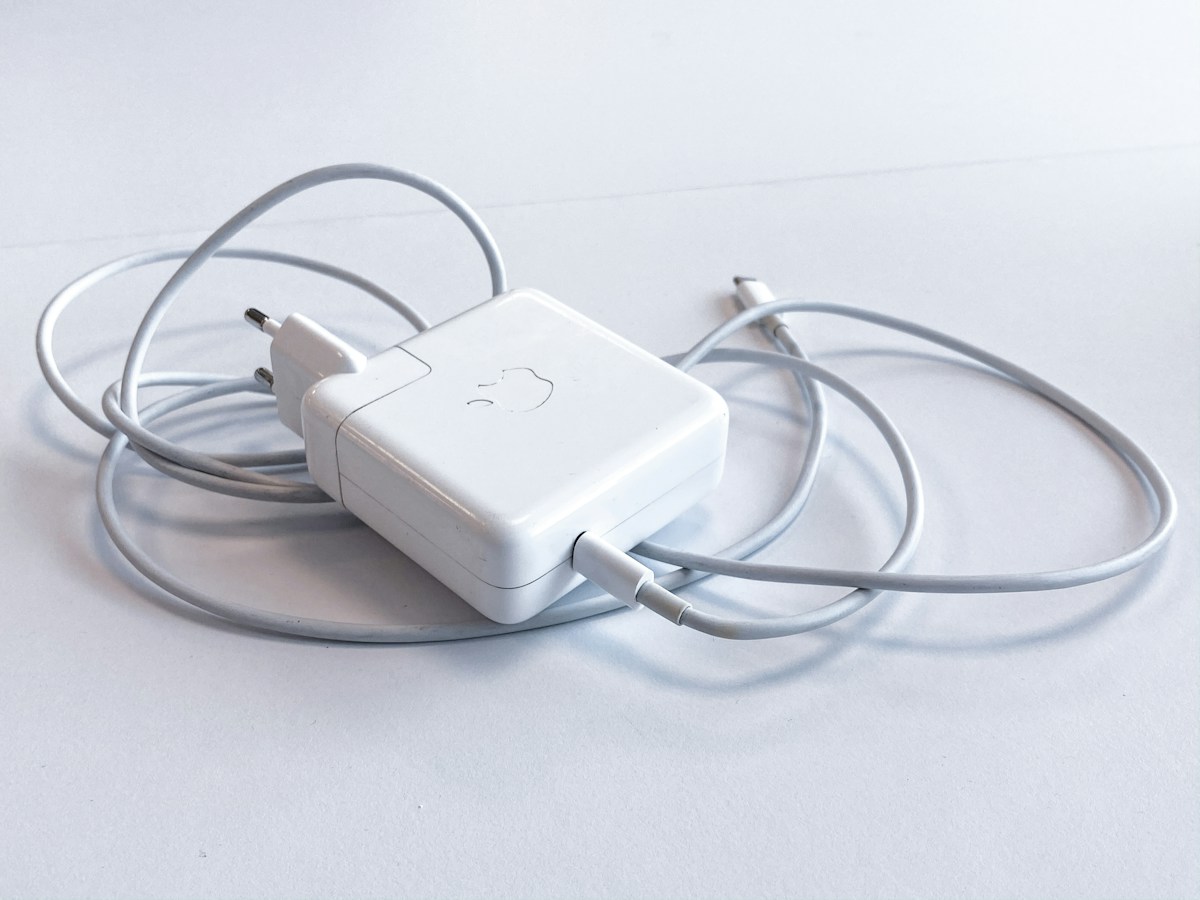
While the port dries, charge via any Qi-certified wireless charger (5 W–7.5 W). Align the Apple logo center with the charger coil. This completely bypasses the Lightning power path, letting the liquid-detection ASIC (U2300/Tristar) remain unpowered and reset its baseline impedance calibration. Note: iPhone 11 does not support MagSafe magnetic alignment; standard Qi positioning applies.
2. Software False Alarm Recovery: The Hard Reboot Sequence
iPhone 11 Hardware Key Reset (Force Restart)
This clears the liquid-detection latch in the Power Management IC without erasing data. Execute exactly in this rhythm:
- Press and release Volume Up (1 press, < 0.5 s).
- Press and release Volume Down (1 press, < 0.5 s).
- Press and hold Side Button (right edge) — keep holding past the “slide to power off” screen — until the Apple logo appears (~15–20 s), then release.
If the “Liquid Detected” alert reappears immediately after boot, proceed to Step 05. If it stays gone, monitor for 24 h; the ASIC has re-calibrated.
3. Advanced Workshop Diagnostics & Component Triage
Microscopic Pin & Flex Inspection
Tools: 10×–30× stereo microscope, ESD-safe anti-static brush (horse hair), 99.9 % IPA, lint-free micro-swabs (Chemtronics Foam Tip), UV torch (365 nm).
- Under magnification, inspect all 8 pins for green/white corrosion (copper oxidation), bent fingers, or carbon tracks.
- Shine UV torch: fluorescent residue indicates sugary/protein liquid (coffee, soda, sweat) requiring ultrasonic cleaning.
- Dip brush in IPA—not the port. Brush gently parallel to pin rows (side-to-side), never perpendicular. Follow with dry brush to wick solvent.
- Re-inspect. If Pin 4/5 show pitting or missing gold flash, the Lightning flex (part 821-02366-A) must be replaced; cleaning will not restore reliable impedance.
- Allow 5 min full evaporation before reassembly.
Telemetry Check: Connect to Mac, open Console.app → filter “liquid” → verify com.apple.iokit.IOUSBHostFamily no longer logs kIOUSBHostPortLiquidDetected.

4. Hardware & Telemetry Parameter Matrix
| Test Point / Parameter | Normal Operational Spec | Fault Alert Threshold | Verified Workshop Remediation |
|---|---|---|---|
| Pin 4 (Vbus) ↔ Pin 5 (GND) Impedance | > 1 MΩ (dry, no accessory) | < 200 kΩ sustained > 2 s | IPA brush clean → if persistent, replace Lightning flex (821-02366-A) |
| U2300 (Tristar) ADC_LIQUID_DETECT Register | 0x00 (No liquid) | 0x01–0x03 (Liquid/Accessory/Error) | Force restart clears latch; if sticky, verify 1V8_NAND rail & U2300 solder joints |
| J1200 Connector Pin Continuity (Pin 1–8) | < 0.5 Ω per pin to test pad | > 2 Ω or open circuit | Microsolder flex replacement; check for lifted FPC pads on logic board |
| Charging Current Negotiation (USB-PD 5 V / 2.4 A) | Handshake completes < 500 ms | Handshake stalls, falls back to 5 V / 0.5 A | Clean CC1/CC2 equivalent pins (Pin 6/7); verify U2300 I²C comms with Tigris (U2400) |
5. Frequently Asked Questions (FAQ)
“My iPhone 11 says liquid detected, but it never got wet. Is the sensor broken?”
Almost certainly not. The sensor is a high-impedance comparator measuring resistance between Pin 4 and Pin 5. Microscopic pocket lint, skin oils, or a single humid day can drop resistance below the 200 kΩ threshold. Follow Steps 01–04; 95 % of “dry” alerts clear without hardware repair.
“Can I use ‘Emergency Override’ to charge anyway?”
Only as a last resort after Steps 01–02 (dry port) and you have zero wireless option. Emergency Override disables the comparator in software but still passes charging current through whatever conductive bridge exists. Repeated use with debris present migrates copper into the Tristar IC, causing permanent $300+ board damage. Use once, then clean properly.
“Does iPhone 11 have USB-C? The alert mentions ‘USB-C’.”
No. iPhone 11 uses the Apple 8-pin Lightning connector exclusively. Some third-party cables or iOS localizations incorrectly label the port “USB-C” in the alert text. The diagnostic steps above target the actual Lightning hardware (Pin 4/5 impedance).
“After cleaning, the alert returns in 24 hours. What now?”
This indicates micro-corrosion under the pin gold plating or a hairline fracture on the Lightning flex FPC. The port requires microsoldering-level flex replacement (part 821-02366-A). Continued software overrides will eventually kill the U2300 Tristar charger IC. Book a board-level repair shop with hot-air rework capability.
Share your OS version, device model, and exact error code in our independent peer Q&A rooms.
Comments