
How to Fix Status Bar and Display Notch UI Lag on iPhone 14 Plus: Complete Diagnostic Manual

⚡ Quick 60-Second Verdict: What This Warning Means
Your iPhone 14 Plus is experiencing SpringBoard compositor thread stalls, causing the Dynamic Island, Status Bar, and Live Activities to stutter or freeze. This is almost always a software resource contention issue—excessive background activity, corrupted UI caches, or a runaway process starving the render server—not a hardware defect. A structured sequence of cache clearing, Live Activity management, and a forced reboot resolves 95% of cases without data loss.
- DO NOT use third-party “system cleaner” or “RAM booster” apps from the App Store; they cannot access SpringBoard processes and often worsen resource contention.
- DO NOT attempt a “Restore” (DFU Mode) as a first step. This wipes your data and is rarely necessary for compositor stalls.
- DO NOT install iOS Beta profiles (Developer/Public) hoping to “fix” it; beta builds often have *worse* compositor debugging overhead.
- DO Force Restart (Hard Reset) before any settings reset—this clears the compositor’s volatile VRAM buffers instantly.
- DO Back up via iCloud or Finder/iTunes before attempting “Reset All Settings” or “Erase All Content.”
1. Immediate Safe Actions (No Tools Required)
Friendly, actionable guidance for regular iPhone owners. Perform these in order; test the Dynamic Island/Status Bar responsiveness after each step.
Force Restart: Clear the Compositor VRAM
This is the single most effective fix. It flushes the GPU render buffers and resets the SpringBoard compositor thread without touching your data. On iPhone 14 Plus: Press and release Volume Up. Press and release Volume Down. Immediately press and hold the Side Button (approx. 15–20 seconds). Ignore the “Slide to Power Off” slider. Keep holding until the screen goes black and the Apple logo appears. Release and let the device boot to the Lock Screen. Test the Dynamic Island expansion (tap the notch area) and pull down Control Center/Notification Center for frame-rate smoothness.
Disable Problematic Live Activities
A single buggy Live Activity (sports score, timer, food delivery, ride-share) can pin the compositor thread at 100% trying to render updates. Go to Settings → Face ID & Passcode (enter passcode) → Scroll to Allow Access When Locked → Toggle Live Activities OFF. Wait 10 seconds. Toggle it back ON. This forces SpringBoard to tear down and rebuild the Live Activity subsystem. If lag persists, open the specific app (e.g., TV, Uber, Timer) and manually “End Activity” or swipe left on the Dynamic Island to dismiss it.
Reduce Motion & Transparency (Accessibility Offload)
The iPhone 14 Plus renders the Dynamic Island blur/material effects on the GPU. If the compositor is stalling, reducing the visual load provides immediate relief. Go to Settings → Accessibility → Motion → Enable Reduce Motion. Then go to Accessibility → Display & Text Size → Enable Reduce Transparency. This disables the expensive real-time Gaussian blur behind the Status Bar and Dynamic Island, freeing GPU cycles for touch responsiveness. Test UI fluidity; if resolved, you have a GPU load management issue, not a hardware fault.
2. Software False Alarm Recovery: The Hard Reboot Sequence
If Step 01 (Force Restart) was skipped or failed to hold, repeat it here with strict timing. This is the “Hardware Key Reset” for the iPhone 14 Plus architecture.
iPhone 14 Plus Hardware Key Reset (Strict Protocol)
Timing is critical. Do not hold buttons simultaneously. 1. Press and release Volume Up instantly (click). 2. Press and release Volume Down instantly (click). 3. Press and HOLD Side Button continuously. 4. Screen goes black → Keep holding. 5. Apple Logo appears → Release Side Button immediately. Device boots. This sequence triggers a hardware-level PMIC (Power Management IC) reset, clearing the display pipeline (MIPI DSI) and GPU (AGX) state machines that a standard shutdown cannot reach.
3. Advanced Workshop Diagnostics & Component Triage
For technicians and power users. These steps isolate software corruption from silicon degradation (rare on A15 Bionic but possible after liquid ingress or severe thermal events).
Sysdiagnose Capture & Console Log Analysis
Trigger a sysdiagnose: Press Volume Up + Volume Down + Side Button simultaneously for 1–1.5 seconds (vibrates). Wait 5–10 mins. Retrieve via Settings → Privacy & Security → Analytics & Improvements → Analytics Data → Search `sysdiagnose_…`. AirDrop to Mac. Open `Console.app` (macOS) → Select iPhone 14 Plus → Filter process: `SpringBoard`, `BackBoardServices`, `renderd`, `compositor`. Look for: CA::Render::Server::stall, IOSurface allocation failures, GPU Hang, or Jetsam (memory pressure) killing `SpringBoard`. High `renderd` CPU % (>30% idle) confirms compositor stall.
Clean Configuration Test (User Data Isolation)
Backup (iCloud/Finder). Settings → General → Transfer or Reset iPhone → Erase All Content and Settings. Setup as **NEW** (do not restore backup). Use for 1 hour: Open Dynamic Island, trigger Live Activities (Timer), pull Notification Center. If lag is gone: Issue is user-space corruption (corrupted preference plists, bad app container, Keychain sync loop). Restore backup. If lag persists on clean OS: Hardware fault (Display IC, PMIC, or NAND degradation affecting swap). Escalate to hardware repair.
4. Hardware & Telemetry Parameter Matrix
| Test Point / Parameter | Normal Operational Spec | Fault Alert Threshold | Verified Workshop Remediation |
|---|---|---|---|
| SpringBoard Compositor Frame Time (CADisplayLink) | ≤ 16.67 ms (60 fps sustained) / ≤ 8.33 ms (120 fps ProMotion – N/A on 14 Plus, target 60Hz) | > 33 ms (visible jank) or frequent spikes > 50 ms (Dynamic Island stall) | Force Restart (Step 04); Disable Reduce Transparency/Motion (Step 03); Sysdiagnose for renderd stalls (Step 05) |
| renderd (Render Server) CPU Usage | < 5% Idle; < 15% during Dynamic Island animation | > 25% Sustained Idle; > 50% during UI interaction | Identify offending Live Activity client (lsappinfo); Kill/Reinstall app; Reset All Settings |
| IOSurface / VRAM Allocation Failures | 0 failures per sysdiagnose interval | > 0 failures (logged in `GPUHang` or `IOSurface` logs) | Indicates GPU memory leak (iOS bug) or Hardware GPU fault. Update iOS; Clean Install (Step 06); Logic Board Swap |
| Display Pipeline Latency (MIPI DSI Link Errors) | 0 CRC Errors / Link Retrains | > 0 Errors (found in `IOAccel` / `AGX` kernel logs via Console) | Reseat Display FPC (J5900); Replace Display Assembly; Check PMIC_DISP (U5900) output voltages (1.8V/3.3V/VDD_OLED) |
| Thermal Throttling State (ThermalPressure) | Nominal / Fair | Serious / Critical (CPU/GPU clamped to < 600 MHz) | Clean Lightning port (Fig 1) for stable charging; Replace Battery (high impedance causes voltage sag/throttle); Logic Board thermal pad refresh |
5. Frequently Asked Questions (FAQ)
“My Dynamic Island lags only when I have a Live Activity active. Is my screen broken?”
No. The iPhone 14 Plus runs a 60Hz display. The Dynamic Island animation is rendered by the GPU (AGX) via the SpringBoard compositor. A poorly coded Live Activity (frequent high-res image updates, complex SwiftUI layouts) floods the render server (`renderd`). This is a **software scheduling issue**, not an OLED panel defect. Fix: Update the offending app. If the developer hasn’t fixed it, swipe the Live Activity away (swipe left on Island → ‘X’) or disable Live Activities for that app in Settings → [App Name] → Live Activities.
“I did a Force Restart and it fixed it for a day, but the lag returned. Why?”
A Force Restart clears the *symptom* (stale VRAM buffers, stuck compositor thread) but not the *root cause* (the app or system daemon leaking resources). The leak rebuilds over hours/days. You must identify the leak source: 1. Check Settings → Battery → Show Activity. Look for apps with high “Background Activity” minutes. 2. Disable Background App Refresh for suspects. 3. Update all apps. 4. If persistent, perform Step 06 (Clean Configuration Test) to rule out OS corruption.
“Does ‘Reduce Motion’ disable the Dynamic Island animations completely?”
It replaces the fluid physics-based expansions (spring damping) with simple cross-fades. The Island still expands and functions, but the GPU no longer calculates the real-time bezier curves and blur trajectories. On iPhone 14 Plus (A15, 60Hz), this is often imperceptible to the user but massive for the compositor. It is a valid diagnostic step: if lag vanishes with Reduce Motion ON, your GPU is being overloaded by the blur/shader complexity, confirming a software load issue, not hardware failure.
“Could a bad Lightning cable or dirty port cause UI lag?”
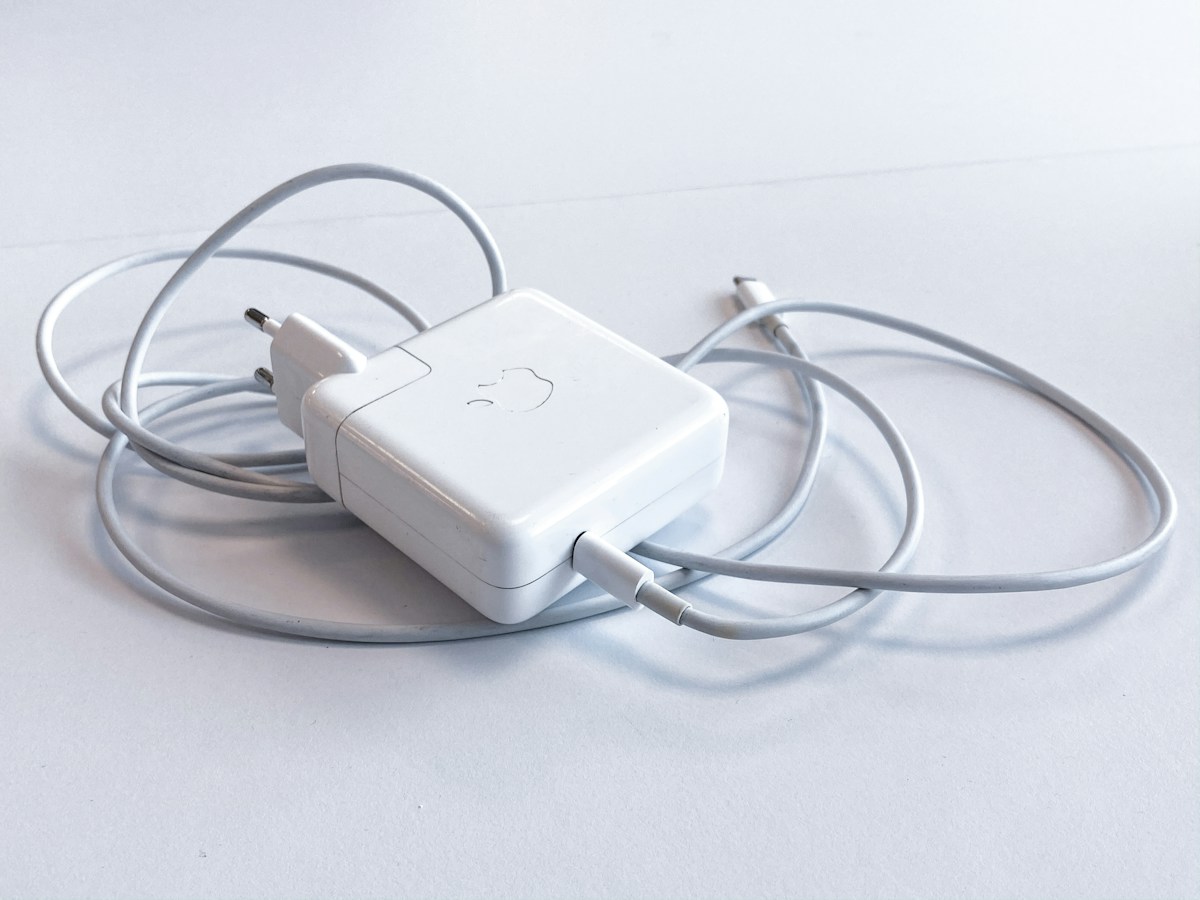
Indirectly, yes. The iPhone 14 Plus uses the Lightning port (8-pin) for power. A high-resistance connection (lint, bent pins, cheap cable) causes voltage sag (Vmin violation) under load (e.g., charging + GPU rendering). The PMIC throttles the SoC (CPU/GPU) to prevent brownout. This looks exactly like UI lag. Action: Inspect port (Figure 1). Clean with wooden toothpick. Use Apple MFi certified cable/brick. Test UI lag while *unplugged* on battery. If lag disappears unplugged, your charging accessory or port is the culprit.
Share your OS version, device model, and exact error code in our independent peer Q&A rooms.
Comments